
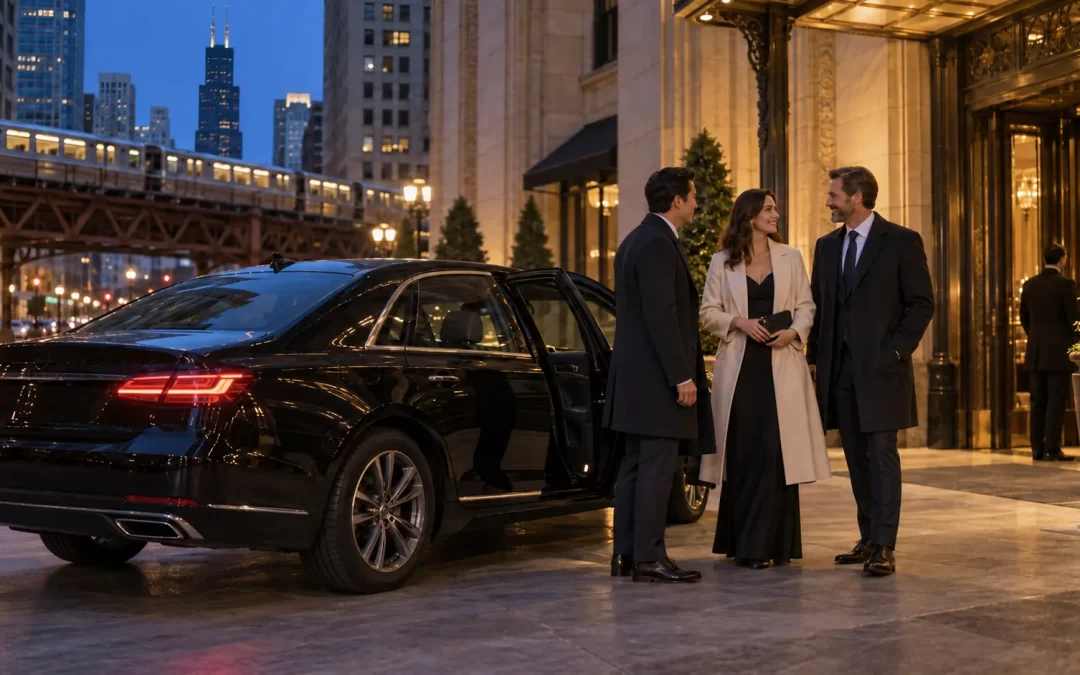
Hosting clients at the opera involves more than getting everyone to the same address. One guest may finish an afternoon meeting in the Loop, another may leave an Evanston office, and a visitor may need to collect something from a hotel. Your transportation plan needs to connect those commitments without allowing a flexible business day to consume the theater arrival window.
For Lyric Opera’s 2026 Don Giovanni performances, build the invitation and the car itinerary together. Name the person who controls changes, establish a firm departure from dinner, and decide where each guest goes afterward. This approach suits a small client evening as well as a larger hosted party, provided the confirmed vehicle and service arrangements match the actual group.
Anchor the invitation to a specific curtain
The official Don Giovanni schedule runs October 10–November 1, 2026, at Lyric Opera House. It includes different curtain times: October 13, for example, is listed at 7 p.m. The performance you book should determine the timetable you send to guests.
Lyric advises arriving at least half an hour before curtain. That puts a 7 p.m. performance’s basic arrival target at 6:30 p.m., with extra time added for your group’s needs. Share the agreed hotel or office departure separately so guests do not confuse it with the theater arrival.
Include the ticket date, gathering address, contact person, and return arrangement in the invitation. Ask guests to flag conflicts early rather than assuming every calendar acceptance means they can attend the entire evening.
Give dinner a departure deadline
A client meal can expand to fill the time available. Set the time for leaving the table before making the restaurant reservation, and tell the restaurant that the group has a theater commitment. Build in time to settle the bill, retrieve coats, and meet the car.
For example, a River North dinner followed by the opera requires a separate journey to the west side of the Loop. A nearby-looking location on a map still needs a real transfer allowance. Have the transportation team assess the route for that date and hour.
If the dinner cannot end comfortably before the departure deadline, move it earlier or choose a simpler format. Avoid presenting a tightly packed itinerary to guests as though every stage will run to the minute. The reservation should reflect an achievable evening.
Resolve separate starting points before assigning a vehicle
Ask each guest where they will actually be when the hosted portion begins. An executive working in Evanston may prefer a direct trip to the group meeting point, while hotel guests may gather together. Those are different movements and should appear separately in the plan.
Use Evanston private-car service details to start the suburban part of the request. Explain the full destination and any dinner stop so the team can confirm the applicable service and quote. A rate for a different route does not define an opera-evening itinerary.
Collect passenger counts for every leg. A guest joining at dinner can change the theater-transfer requirement even though the initial hotel pickup is small. Confirm the selected vehicle against that busiest leg and any bags traveling with the party.
Remove work bags from the theater transfer

Business travelers may arrive with laptops, presentation materials, or overnight luggage. Ask where those items will stay during the performance. Lyric’s audience FAQ restricts large bags in the auditorium; verify the current details before guests pack for the evening.
A hotel stop can be useful when it has a clear purpose and enough time. Confirm storage arrangements with the hotel, identify who must visit the room, and decide whether the rest of the group waits or meets later. Do not add an unplanned stop after dinner.
If belongings must remain with transportation, discuss that request and any limitations directly when booking. Avoid assuming the same car remains available throughout the performance or that it provides storage. Get the actual arrangement in writing.
Assign one person to manage the handoffs
Choose a host or coordinator to maintain the guest list and communicate itinerary changes. Send that person the final pickup instructions and make sure guests know how to contact them. Multiple people giving different destination changes can turn a simple ride into conflicting instructions.
Lyric Opera House’s address is 20 N. Wacker Drive. Include it in the driver itinerary along with the performance, rather than relying on a restaurant or hotel employee to describe the destination on departure.
Ask the transportation team to confirm the practical arrival point. The host can manage tickets and headcounts while the driver follows the agreed vehicle-access instructions. If a passenger needs additional boarding time or a shorter walking approach, arrange that before the evening begins.
Make the after-show branches explicit
Decide whether guests will return to one hotel, several hotels, or separate homes. A client who leaves for Evanston after the performance should not discover that the only arranged ride ends at a downtown hotel. Confirm each final destination while the guest list is still being organized.
The production’s listed duration is three hours and 25 minutes, with one intermission. It offers a starting point for return planning, not a guaranteed curbside meeting time. Add the group’s exit process and discuss how the return contact will work.
Where guests want different endings, request separate movements or an agreed sequence of stops. Ask how changes and waiting affect the booking. Do not promise an open-ended evening based on a reservation that covers only fixed transfers.
Request an itinerary guests can follow
Submit the plan through LimoChicago’s online reservation request. Provide the performance date and curtain, guest counts by leg, hotel and office addresses, dinner departure deadline, work bags, and individual return destinations.
Before distributing the final invitation, compare it with the confirmed transportation details. Recheck the production schedule and resolve any mismatch between the host’s calendar and the car itinerary. Guests should receive one clear version of where to gather, when to leave, and how they will get home.