
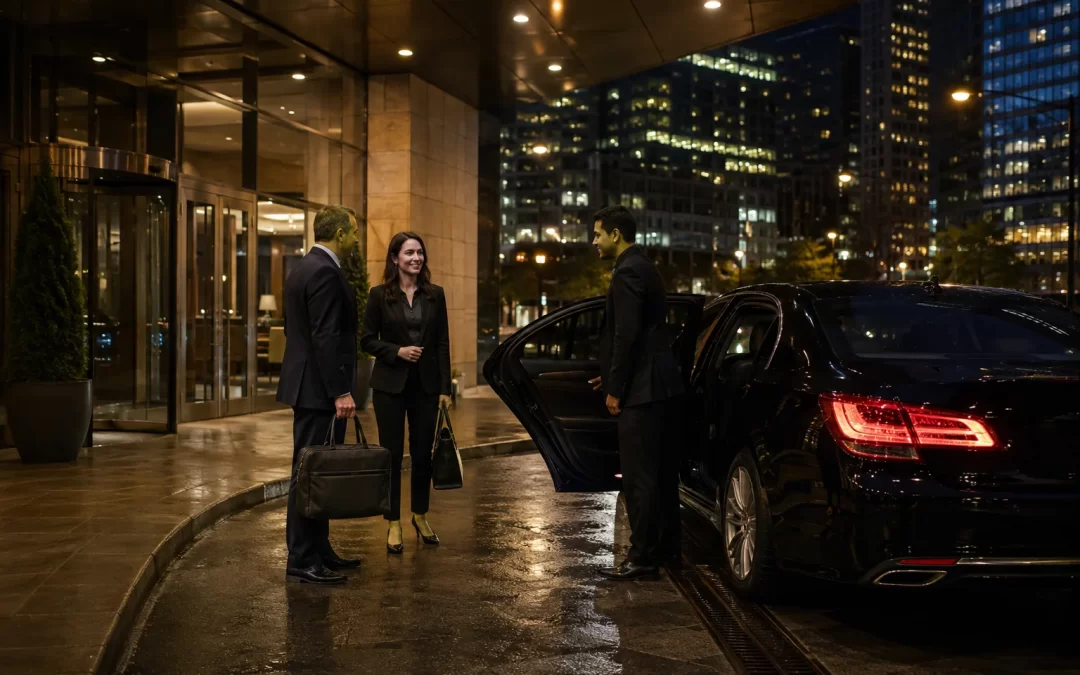
Hosting clients or industry guests during the Chicago International Film Festival requires one reliable operating plan. The festival runs October 14–25, 2026, and the announced venues range from downtown and Lincoln Park to Lakeview, Hyde Park, Pilsen, and Englewood. A polished itinerary must identify the exact screening rather than treating the festival as one destination.
Private-car planning becomes especially useful when a day includes a hotel departure, a screening, a meal, and a different return address. The objective is not to fill every hour. It is to make each movement clear enough that guests can focus on the program.
Convert Tickets Into an Operating Schedule
Cinema/Chicago’s 2026 Festival First Look confirms the October 14–25 dates and the initial venue list. It also says the full lineup will be announced September 17. Members-only ticket activity begins September 18, with public pass redemption and individual ticket sales following later in September.
After tickets are secured, build a working sheet with the film title, venue, screening time, guest list, hotel ready time, and destination after the program. Include runtime or special-event details only when the official listing confirms them. One accurate schedule is more valuable than several message threads.
Anchor the Itinerary at the Hotel
Start with the exact hotel name and street address. Guests in River North, Streeterville, the Loop, and the Gold Coast may appear close to a venue on a map, yet different entrances and busy curbs can affect how the party gathers. Set a lobby meeting time that comes before the intended vehicle departure.
Name one host or coordinator who will confirm that everyone is ready. If a guest is arriving from O’Hare or Midway that day, keep the airport transfer distinct from the main group departure unless the timing genuinely supports a combined movement.
Match Each Venue to the Right Part of the Day
The initial list includes AMC NEWCITY 14, Gene Siskel Film Center, Music Box Theatre, Chicago History Museum, Logan Center for the Arts, National Museum of Mexican Art, and Kennedy-King College. Those destinations do not form one compact theater district.
A downtown screening can pair naturally with a Loop meeting or dinner. A Music Box program may support a North Side evening. A Logan Center screening requires a different route and return decision. Group films by geography when possible, and avoid booking a meal across town merely because the address looks close on a screen.
Decide Between a Transfer and a Multi-Stop Reservation
A direct hotel-to-screening transfer works when the group has one destination and a clear return. A multi-stop plan may make more sense when executives join from separate hotels, the party attends a reception or dinner, or guests finish at different addresses.
Write every meaningful stop in order. Avoid adding speculative stops that might never occur. For a straightforward city movement, the Chicago private transportation page offers a starting point; the final request should still include the actual venue and guest schedule.
Keep the Host in Control of Changes
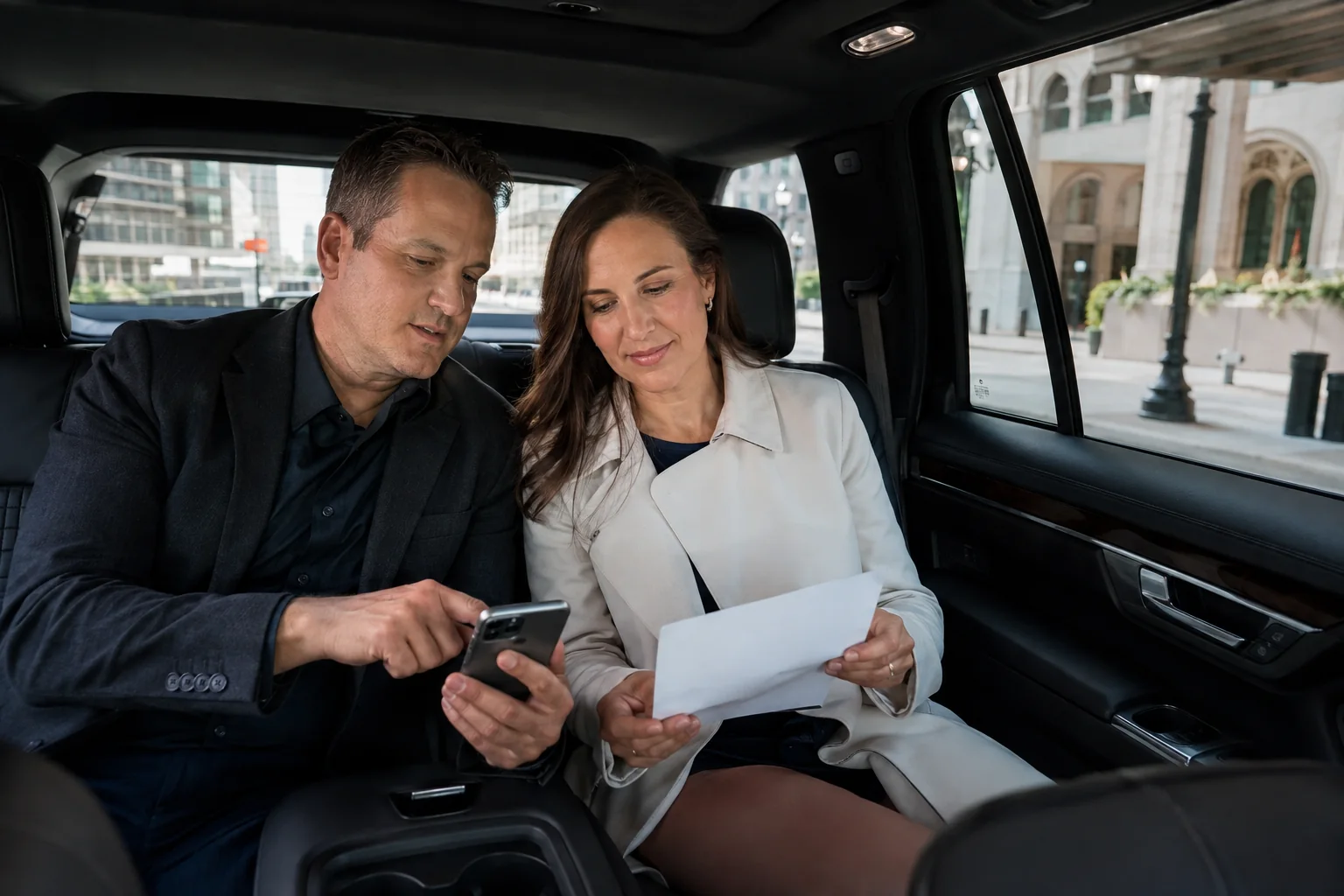
Festival days can change when a meeting runs late or a guest selects a different screening. One coordinator should approve transportation updates and share the same revision with the travelers and provider. This prevents a driver from receiving conflicting instructions from several passengers.
Use full names for hotels and venues. If a guest leaves the group early, record the new destination and passenger count. When two vehicles are involved, label each movement clearly instead of assuming everyone knows which party they belong to.
Select a Vehicle for Guests and Materials
An executive pair may be comfortable in a sedan. A hosted group with coats, luggage, media equipment, or presentation materials may require an SUV or executive van. Count belongings alongside people and confirm the specific vehicle rather than relying on a universal capacity claim.
Consider the final movement as well. Guests who arrive without bags may collect materials or luggage before returning to the airport. A vehicle choice that works at the hotel departure should still work after the last planned stop.
Prepare for Entry and Accessibility Needs
Each guest should carry the ticket or credential required for the selected program and confirm the current venue instructions. The festival website includes accessibility information and an accommodation request path. Review it early when a guest needs support, then communicate relevant transportation needs before the service date.
Do not assume that nearby buildings share the same entrance or loading pattern. Use the destination confirmed for the screening and follow the meeting point established for the reservation.
Finish With a Defined Guest Return
The final screening is not the end of the operating plan. Decide whether guests return to one hotel, split between properties, continue to dinner, or need an airport transfer the following morning. A clear final movement prevents the curb from becoming a planning meeting.
Bring the film schedule, hotel ready times, guest list, venue sequence, belongings, meal stops, and final destinations together, then request a LimoChicago reservation for the hosted itinerary. Confirm the official festival schedule again before the date and update the single working plan if anything changes.